
If you’re interested in making your trip to Costa Rica more sustainable, you should know about Costa Rica’s sustainable tourism program. The Certification of Sustainable Tourism allows businesses in the tourism industry to apply for a special certification that recognizes their efforts towards conservation, energy efficiency, and promoting the local community. In this post, we’ll give a list of hotels that have achieved the Certification of Sustainable Tourism.
For background on how the program works, check out our post, Choosing Sustainable Travel: Costa Rica’s Sustainable Tourism Program.
Sustainable Hotels in Costa Rica
The hotels below have the Certification of Sustainable Tourism (CST). The list is organized by destination. We have highlighted some of our favorite properties that we have stayed at or sent clients to.
Note: Some of the links below are affiliate links. If you book a hotel using one of the links, we receive a small commission at no extra cost to you. This helps support our website and allows us to contribute part of our revenue towards sustainability programs in Costa Rica.
Arenal/La Fortuna
Highlights
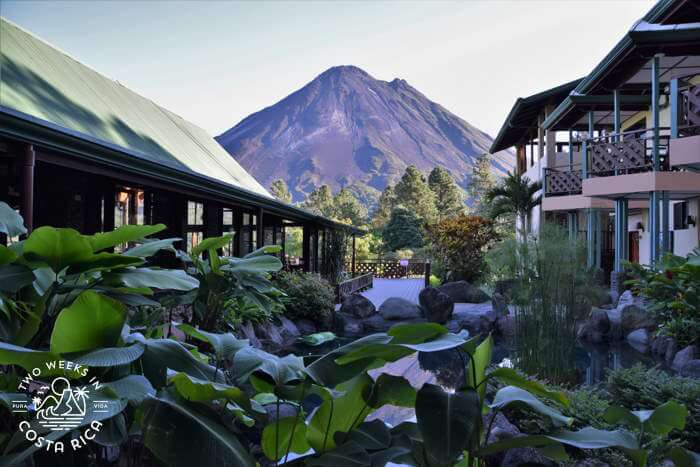
Arenal Observatory Lodge
The Observatory offers a true ecotourism experience. The ecolodge is located on the foothills of Arenal Volcano, within Arenal Volcano National Park. Not only does the lodge have great volcano views, but due to its location in conservation land, it is fairly easy to see wildlife. The lodge has several trails onsite to explore.
Arenal Observatory has valued the environment from the start. They sustainably maintain 270 acres (109 hectares) of their property as natural forest and 400 acres (162 hectares) in reforestation.
To give an idea of their sustainability practices, they have their own wastewater treatment plant, use native species in their gardens and green areas, and use natural and biodegradable products for outdoor maintenance and cleaning.
Rancho Margot
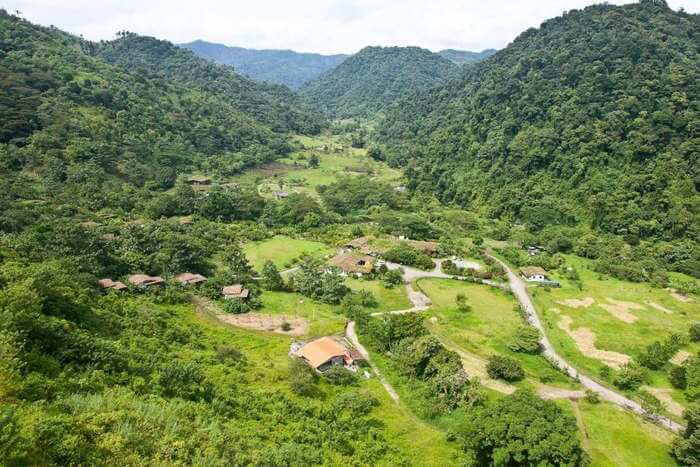
Rancho Margot is a unique property near Lake Arenal. The self-sufficient ranch and ecolodge is designed to promote biodiversity and sequester carbon emissions. They generate more than half of the food they need for guests and staff right on the property.
Their guest bungalows emphasize indoor-outdoor living, and are made from beautiful local wood, most of which came directly from the property.
Among their sustainability efforts, Rancho Margot uses biodegradable products, advanced practices for electricity and water conservation, and protects nature reserves. Notably, they were Costa Rica’s first carbon-negative company in 2012, verified by Carbon Clear.
Other Certified Hotels
Hotel Arenal Springs Resort and Spa
Tabacon Thermal Resort and Spa
Bajos del Toro
El Silencio Lodge and Spa
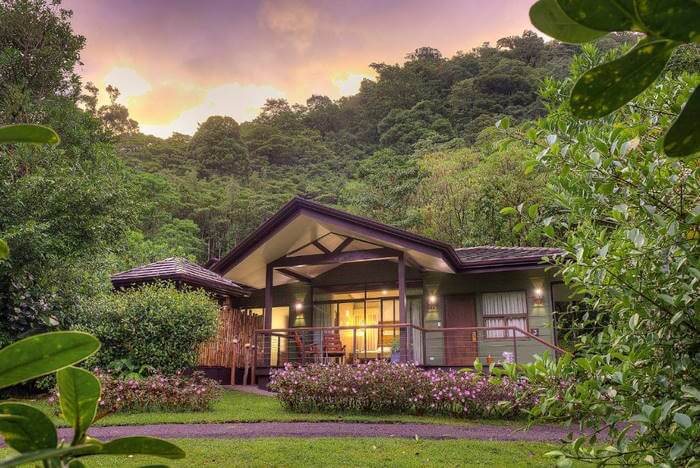
El Silencio Lodge is located in the mountains on the backside of Poas Volcano near the quiet town of Bajos del Toro. The lodge’s primary focus is sustainable luxury. Their model is to protect their pristine natural surroundings, foster the personal growth of staff, and promote the development of neighboring communities.
The lodge sits on a 500 acre (202 hectare) private reserve with cloud forest and waterfalls. El Silencio has a Sustainability Manager who leads their efforts. Some of their more interesting sustainability measures include a thriving hummingbird garden, beehive for local stingless honeybees, and large organic garden that provides ingredients for their restaurant.
Brasilito/Conchal/Flamingo
Margaritaville Beach Resort (Playa Flamingo)
Cahuita Area (Southern Caribbean Coast)
Golfito
Liberia
Jaco Area
Highlight
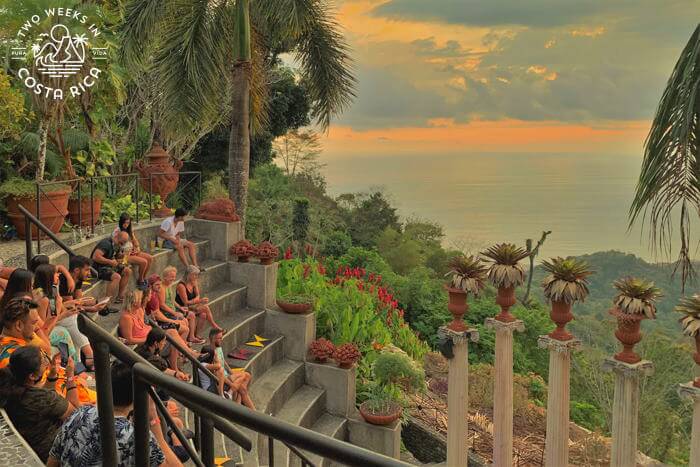
Villa Caletas
Villa Caletas is an upscale hotel in the Jaco area. It sits on a point overlooking the beautiful Gulf of Nicoya, with thick rainforest all around.
To meet its sustainability goals, Villa Caletas uses solar to meet much of its electricity needs, doesn’t use pesticides, has a tree-planting program, and heats hot water with solar or heat produced by air conditioners.
Other Certified Hotels
Manuel Antonio
Highlight
Hotel Costa Verde
Hotel Costa Verde is a popular mid-range hotel in Manuel Antonio. The large property is spread out, with several different buildings and bungalows as the accommodations. All rooms are nestled in the rainforest. Wildlife, especially monkeys, is plentiful on the property.
One of the most prominent ways that Costa Verde furthers sustainability is by upcycling. Lighting and decorations are made from colorful glass bottles. They have even taken old airplane fuselages and turned them into hotel rooms!
Costa Verde makes most of their own furniture from naturally downed trees from the region. They plant 10,000 trees and plants every year on their properties. The hotel uses biodegradable cleaning products, doesn’t use pesticides, and uses captured rainwater for laundry.

Other Certified Hotels
Arenas del Mar Beachfront Resort
Monteverde
Highlights
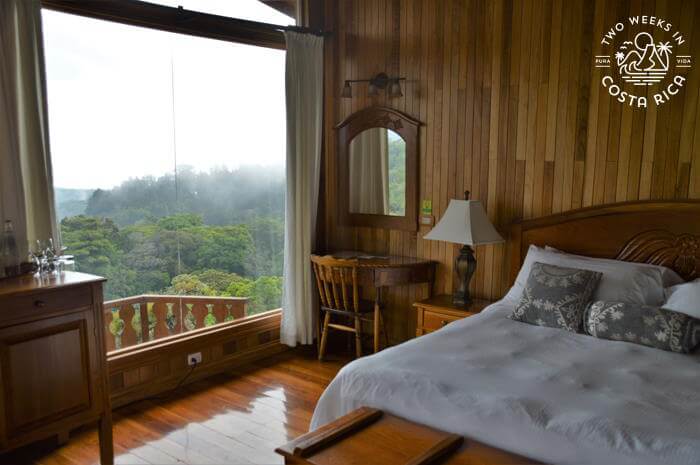
Hotel Belmar
Hotel Belmar is a luxury ecolodge in Monteverde. The property has a few different buildings, all artfully crafted with local wood. With thick forest as the backdrop, many rooms have a cloud forest view.
Hotel Belmar has many sustainability practices. Among other things, they capture rainwater, have solar hot water heaters, have a biodigester that treats sewage while producing biogas for heating water, and use products that are biodegradable, reusable, and recyclable, as well as those with less packaging.
The hotel is located on a nature reserve. They also have a greenhouse for growing vegetables and herbs for their restaurant. Our family has stayed here before and we all really enjoyed it.
Valle Escondido Nature Reserve Hotel & Farm
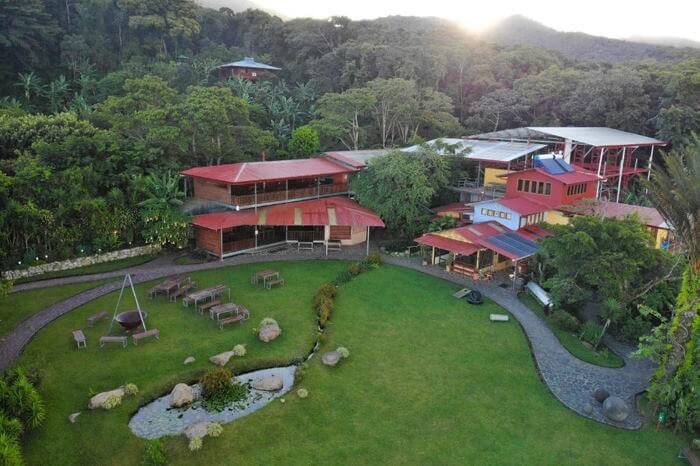
This small, family-run ecolodge is located just outside the main area of Monteverde at the end of a private road. Thick forest surrounds the property, and the Pacific Ocean can be seen in the distance. The hotel is situated on a nature reserve that protects 17 hectares (44 acres).
Valle Escondido has an organic permaculture farm, farm-to-table dining, and a reserve with hiking trails and waterfalls. Some of their projects include rainwater collection, graywater management, composting, a tilapia aquaculture project, and a so-called huglekultur garden, which is a high production, low maintenance method of gardening, Guests can take part in one of their sustainability tours.
Other Certified Hotels
Albergue La Casona Reserva Biológica Bosque Nuboso Monteverde
Nosara
Highlight
Olas Verdes
Olas Verdes is a high-end boutique hotel in the heart of Playa Guiones. It was Costa Rica’s first Leadership in Energy and Environmental Design (LEED) Platinum hotel.
Olas Verdes started as new construction and was designed to minimize A/C through passive solar, shading, predominant wind patterns, and natural ventilation. To help offset the hotel’s energy needs, they have solar panels and solar hot water.
The hotel was designed to protect the sensitive ecosystem surrounding the property. They included a large no-build area to provide a setback from the ocean, minimized stormwater runoff, and used sustainable construction as much as possible to protect an adjacent wildlife refuge.
Importantly, the project was designed to save water, which can be scarce in Nosara during dry season. They have an underground rainwater storage system that captures up to 14,000 liters of rainfall. Graywater is treated with bacteria instead of chemicals, then recycled to irrigate the property.

Other Certified Hotels
Osa Peninsula
Highlight
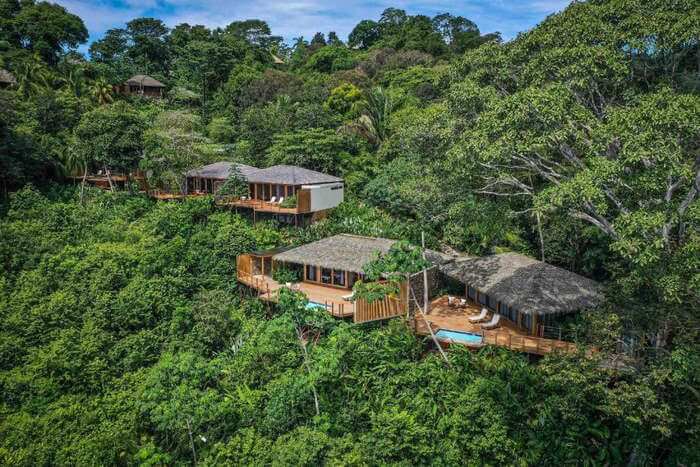
Lapa Rios
Lapa Rios is a luxury ecolodge on the Osa Peninsula, a premier ecotourism destination. It was started with the intention of preserving the pristine rainforest of the Osa. The 17-bungalow lodge preserves an impressive 1,000 acres (405 hectares) of primary and secondary rainforest. This land abuts Corcovado National Park and provides an important wildlife corridor.
The lodge is 100% solar, uses renewable materials for low-impact construction, serves organic foods, uses local biodegradable products, and employs locals from the Puerto Jimenez area.
Other Certified Hotels
Playa Nicuesa Rainforest Lodge
Papagayo Peninsula
Secrets Papagayo All Inclusive
Playa Hermosa (Guanacaste)/Playa Panama
Puerto Viejo de Sarapiqui
Rio Celeste/Bijagua
Rio Celeste Hideaway
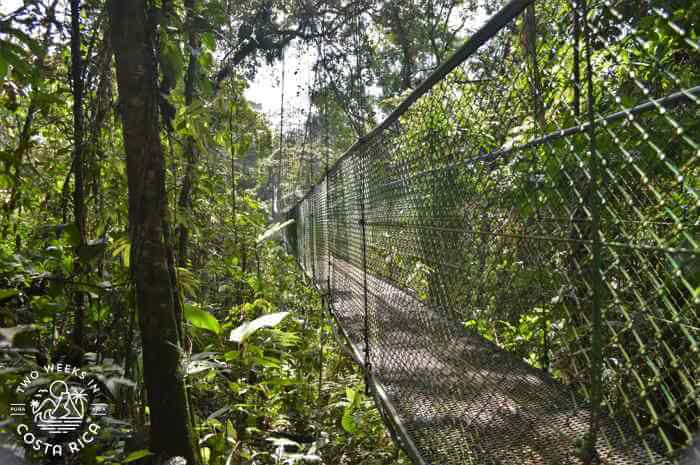
The Rio Celeste Hideaway is a high-end hotel located near the beautiful Rio Celeste Waterfall. Their property protects about 30 acres (12 hectares) of primary and secondary forest.
To help mitigate their carbon footprint, they have an annual tree-planting initiative through Community Carbon Trees, a local organization in Costa Rica that we work with as well (you can learn more about them here).
Rio Celeste Hideaway also supports work done by the neighboring Tenorio Volcano National Park, has chemical-free gardens and a greenhouse, uses locals for the majority of their employees and suppliers, and teaches kids in public schools about recycling and conservation.
Rincon de la Vieja
Samara
Highlight
Hotel Giada
Hotel Giada is a charming, budget-friendly hotel in the main area of Samara. The hotel is within walking distance to many restaurants and the beach.
At Hotel Giada, they are 100% carbon neutral. They achieved this primarily due to their use of solar, but also because they use environmentally certified suppliers. They purchase carbon credits for any necessary offsets.
The hotel also sponsors the Blue Zone Foundation of Nicoya, an organization that has been working with a small group of centenarians (people who live to be 100) that live on the Nicoya Peninsula. Hotel Giada contributes to the efforts of the Coral Project of Samara, a non-profit that aims to repopulate Samara Bay with coral reef.

Other Certified Hotels
San Jose Area
Highlight
Finca Rosa Blanca Coffee Farm and Inn
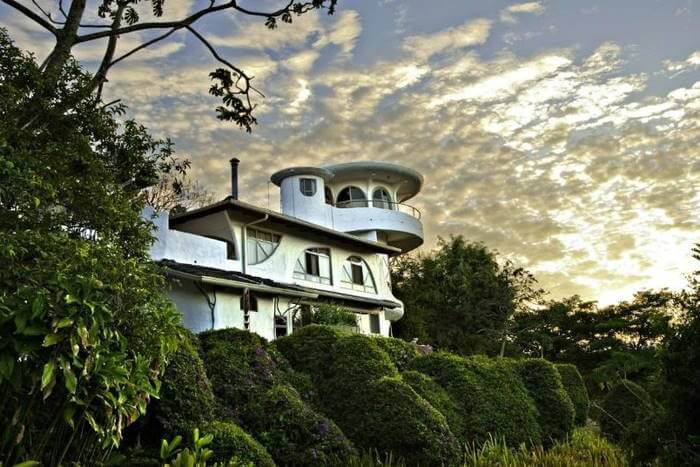
Finca Rosa Blanca is a 30+ acre (12+ hectare) property in the mountains of Heredia near San Jose with an organic coffee farm and hotel. It was started by a local family with three goals: hospitality, community, and the environment.
The property focuses on sustainability and regenerative tourism (restoring what has been lost). Hot water and electricity come from solar power, their pool is chemical free, and they avoid chemicals in general. They have planted over 5,000 native trees in the last 25 years and were one of the first carbon-neutral hotels in Costa Rica.
Other Certified Hotels
AC Hotel by Marriott San José Escazú
Crowne Plaza San Jose La Sabana
Courtyard Marriott SJO Airport
Real Intercontinental at Multiplaza Mall (Escazu)
Hotel Villa Los Candiles (Santa Ana)
Residence Inn by Marriott San Jose Escazu
Sheraton San Jose Hotel and Casino
Studio Hotel (Santa Ana)
San Gerardo de Dota
Dantica Cloud Forest Lodge
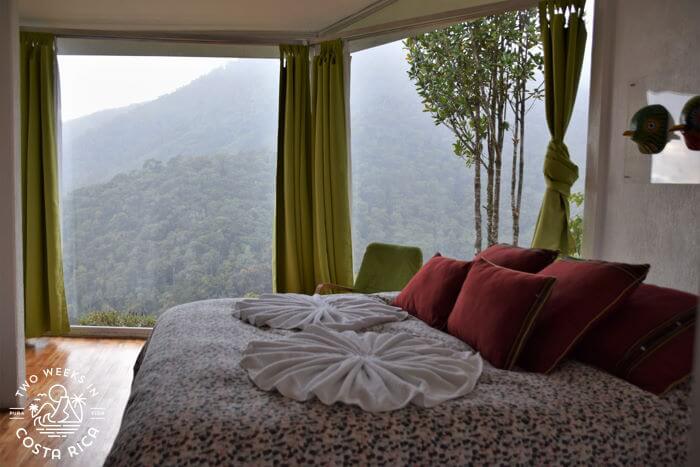
Dantica is a small lodge in the quiet mountains south of San Jose. They have bungalows with floor-to-ceiling windows that overlook the cloud forest. The property backs a large nature reserve.
Some of their sustainability practices include solar hot water and using efficient ethanol (from sugar cane) to heat the rooms. They don’t use pesticides or other chemicals on the property and hire locals from San Gerardo de Dota or Los Santos region as much as possible.
Santa Teresa
Tambor (Nicoya Peninsula)
Tamarindo Area
Highlight
Cala Luna Boutique Hotel
Cala Luna is a gorgeous boutique hotel just south of Tamarindo in Playa Langosta. The property has contemporary villas nestled in the thick tropical forest. A short walk away is the quiet Playa Langosta. Cala Luna aims to combine well-being and eco-luxury, with a holistic spa, onsite yoga classes, and sustainable gastronomy. We have stayed here before and really enjoyed it.
Cala Luna recently underwent a huge solar project, installing 1,400 solar panels to offset about 34 tons of their energy usage. The panels are saline protected and marine grade to resist saltwater damage. Cala Luna’s restaurant uses local, organic ingredients from their farm.
Other Certified Hotels
Uvita/Dominical
Highlight
Rancho Pacifico
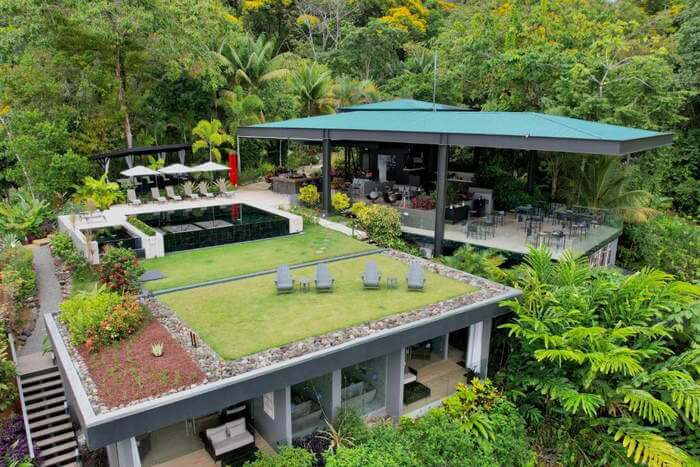
Rancho Pacifico is a luxury boutique hotel perched in the mountains of Uvita on the jungle-filled southern Pacific coast. This adults-only hotel offers the perfect setting for couples looking to unwind in a serene, natural setting.
The hotel was designed for sustainability and even has green roofs. The common areas are completely open air, allowing for natural ventilation without the need for air conditioning. Over 95% of their electricity is produced from renewable sources.
Drinking water comes from a mountain spring and is treated with UV light instead of chemicals. Ingredients for their restaurant come from local suppliers and their own garden. To involve guests, they offer local experiences like to turtle-nesting sites and family farms.
They have joined 1% for the Planet and donate 1% of their revenues to sustainability causes. They also worked with a local organization called Community Carbon Trees to plant 700 native trees on the property.
Other Certified Hotels
Miscellaneous Locations
Rio Perdido Hotel and Thermal River (Guanacaste)
Villa Blanca Hotel and Nature Reserve(near San Ramon)
Cedrela Ecolodge (Copey de Dota)
Fiesta Resort All Inclusive (Puntarenas)
Hotel Emanuel (Agua Buena near San Vito)
Hotel Rinconcito Verde (Paraiso, Cartago)
Other Sustainable Hotels in Costa Rica
If you want to support hotels that are sustainable, this list is a good place to start. However, not every hotel in Costa Rica that supports sustainability is on it.
Keep in mind that the Certification of Sustainable Tourism is difficult to get. The paperwork involved is lengthy and complex. Most businesses need to hire an expert consultant to go through the process. Some may be in the middle of the process (waiting for certification), while others may not have the resources to get it.
In addition, some hotels have other notable kinds of certification like Rainforest Alliance, LEED, or Costa Rica’s Blue Flag (Bandera Azul). The Blue Flag program is awarded to beaches, towns, and businesses that help reduce pollution and promote environmental education.
Conclusion
We hope this article has helped you find hotels in Costa Rica that support sustainability.
If you know of a hotel not on this list that genuinely works towards sustainability in their business model, feel free to give them a shout-out in the comments below.
Looking for more information to plan your trip to Costa Rica? Check out these posts:
Costa Rica Rental Car Discount: If you’re planning to rent a car, check out our discount through one of Costa Rica’s most reputable companies, Adobe Rent a Car. They are carbon neutral.
Itineraries: Not sure how to best structure your itinerary? Our Itineraries page has sample itineraries to get you started.
Vacation Rentals in Costa Rica: Safety and What to Look for – Airbnbs can be a little different in Costa Rica. Learn the pitfalls to avoid and what to look for in listings.