
Most people traveling to Costa Rica come during the dry season. When we visited as tourists, we did the exact same thing. All we wanted was sun and clear blue skies, the opposite of the cold weather back in Boston. Now that we live here, though, we’ve seen how amazing Costa Rica becomes with a little sprinkling of rain. Below are our top reasons why you should consider traveling to Costa Rica during the rainy season and some tips for planning during those off-season months.
Advantages of Traveling to Costa Rica in the Rainy Season
1. The Jungle Is Green and Lush and It’s Slightly Cooler
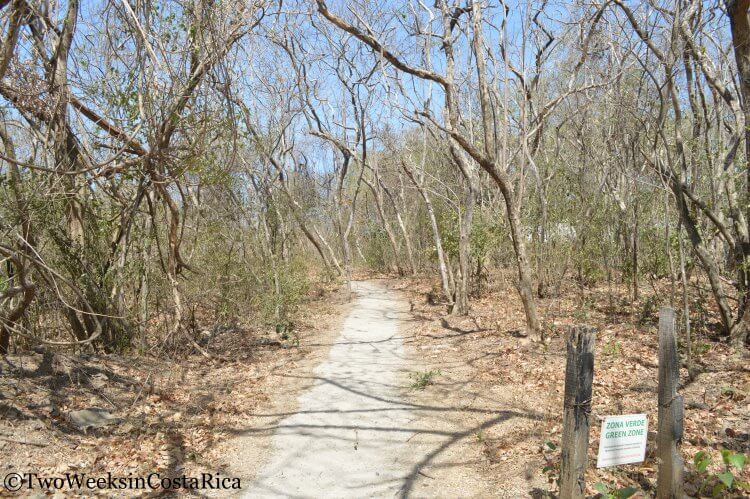
During the dry season (December to April), it seldom rains in much of the country. For stretches of weeks, or even months, it might not rain a single drop. In fact, in some regions like northern Guanacaste Province, forests turn brown towards the end of the dry season, many of the trees lose their leaves, and there are even fires in the hills.
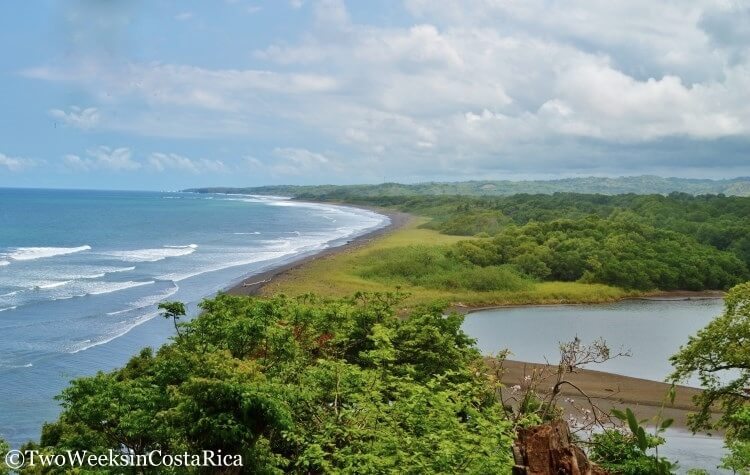
With the arrival of the rainy season in May, it’s as if a switch has been flipped. Suddenly everything transforms to beautiful, verdant green. The jungle becomes lush, flowers bloom, and there is less dust. Temperatures feel slightly cooler due to the moisture too, which is a nice break especially at the beach where temps can climb into the 90s°F (32°C).
2. It’s Less Busy
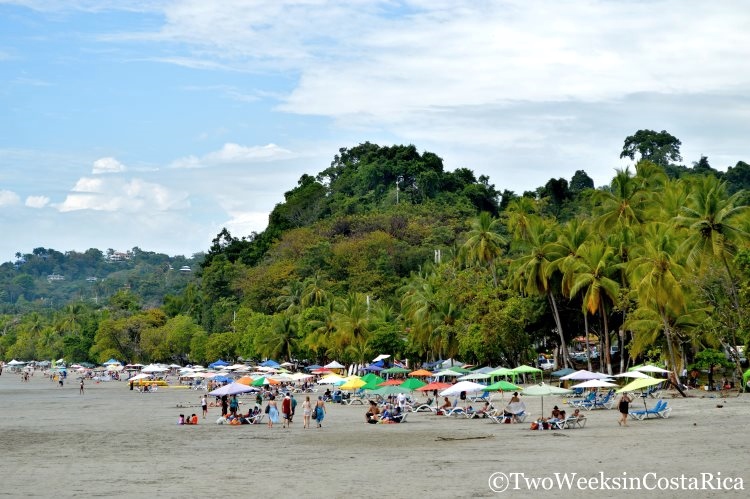
During the high season when tourism picks up, many towns can feel congested. Trails become crowded, traffic increases, and finding space on the beach can be tough.
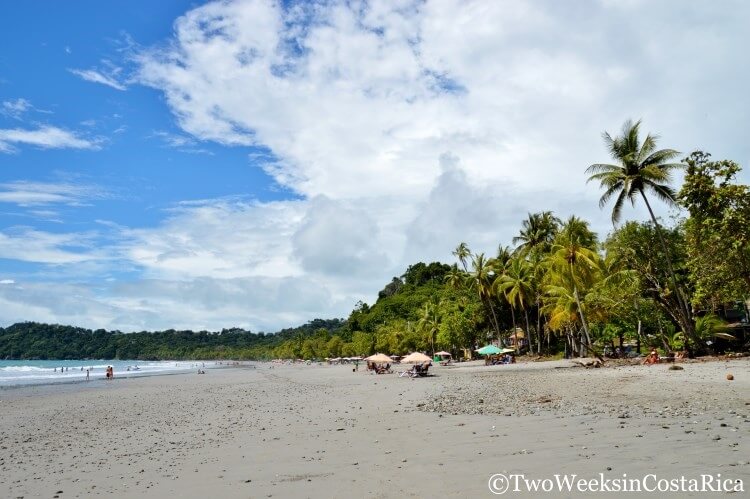
In the rainy season, there just aren’t as many people around so you’re more likely to have parks, beaches, and other sights all to yourself. It’s also a nice way to get to know the culture, as many locals are out and about, taking vacation time and enjoying their country.
3. It’s Cheaper to Travel
Costa Rica has a few different travel seasons: the high season (December to April), the peak season (the weeks around Christmas, New Years, and Easter), and the low season (generally May to November, but sometimes hotels consider July and August to be high season too).
During the low season, just about every hotel has reduced rates, car rentals tend to be cheaper, and it’s much easier to negotiate prices on things like tours. Some restaurants offer 2-for-1 specials and other deals, and sometimes you can even name your own price on a room.
See more money-saving tips for your next trip to Costa Rica.

4. Waterfalls Are Gushing and Gorgeous
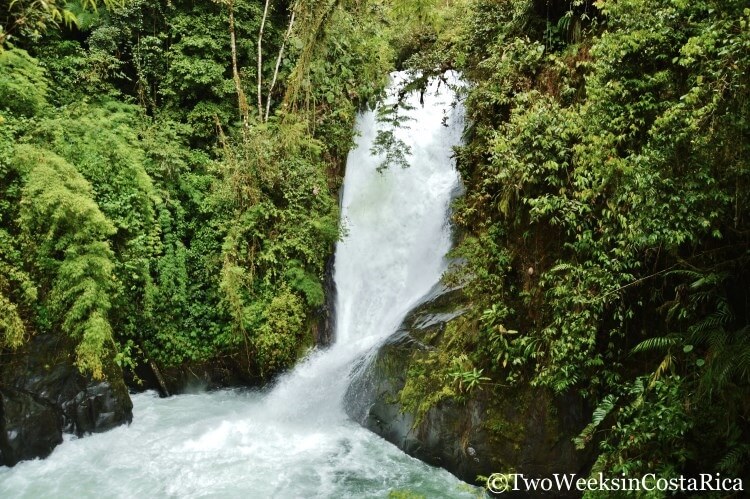
In the dry season, river levels tend to get lower, which makes some of the country’s amazing waterfalls less than spectacular. You may notice that some waterfalls are called “seasonal.” If someone tells you this, don’t even bother visiting during the dry season because you will likely see just a sad trickle. During the rainy season, these same waterfalls are gushing and glorious.
Those are some of the big reasons that you should consider visiting Costa Rica during the rainy season. If you plan your visit right, you can enjoy paradise (almost) all to yourself, for less, and still not get rained on all day. Here are some more tips to help you plan.
Tips for Visiting Costa Rica During the Rainy Season
[box]
- When Exactly Is the Rainy Season? The rainy season is from May to November and the dry season from December to April.
- Is the Entire Country Rainy? Climate differs regionally in Costa Rica because of its extremely varied topography, so in some places, the seasons are slightly different. Guanacaste Province is the driest part of the country and has the shortest rainy season. If you visit Guanacaste in May, it still might not have had its first rain of the season. Rainforest zones like the Southern Pacific Coast and the Osa Peninsula have the longest rainy season and get the most rain. The Caribbean Coast has its own microclimate and completely different weather patterns that are difficult to predict.
- Best Times to Visit: Visit at the beginning of the rainy season or beginning of the dry season (May to July or early November to December). Of course, the weather varies year to year, but during these months, mornings are generally sunny and it rains for an hour or two in the afternoon and maybe at night, but not all day. September and October are the rainiest months in most parts of the country and not recommended for all but the most adventurous travelers. If you are traveling in September and October, head to the Caribbean Coast, which is the driest during these months. A couple of great towns to visit are Tortuguero, Cahuita, and Puerto Viejo de Talamanca.
- Disadvantages of Traveling During the Rainy Season
- Road Conditions: If you travel during the rainy season, be prepared for the unexpected and build in extra travel time. With the increased rain, road conditions worsen. Dirt roads can become pothole ridden, and washouts and landslides occasionally occur. Rivers also swell, making access to some areas more difficult.
- Cancelled Plans: You might have a day where it rains non-stop, ruining your plans for a beach day or other excursion. Be flexible when travel planning so that if you can’t do an activity one day, you have time built in to do it another.
- Mosquitos: Mosquitos are the worst during the rainy season so be sure to bring some bug repellant. A couple of more natural repellants we like are DoTERRA Tetra Shield and Repel’s Lemon Eucalyptus Spray.
- Packing: Traveling during the rainy season has its own special considerations. Be sure to check out our Packing Post so that you’re completely prepared. [/box]
Would you ever travel during an off-peak season? Why or why not?
